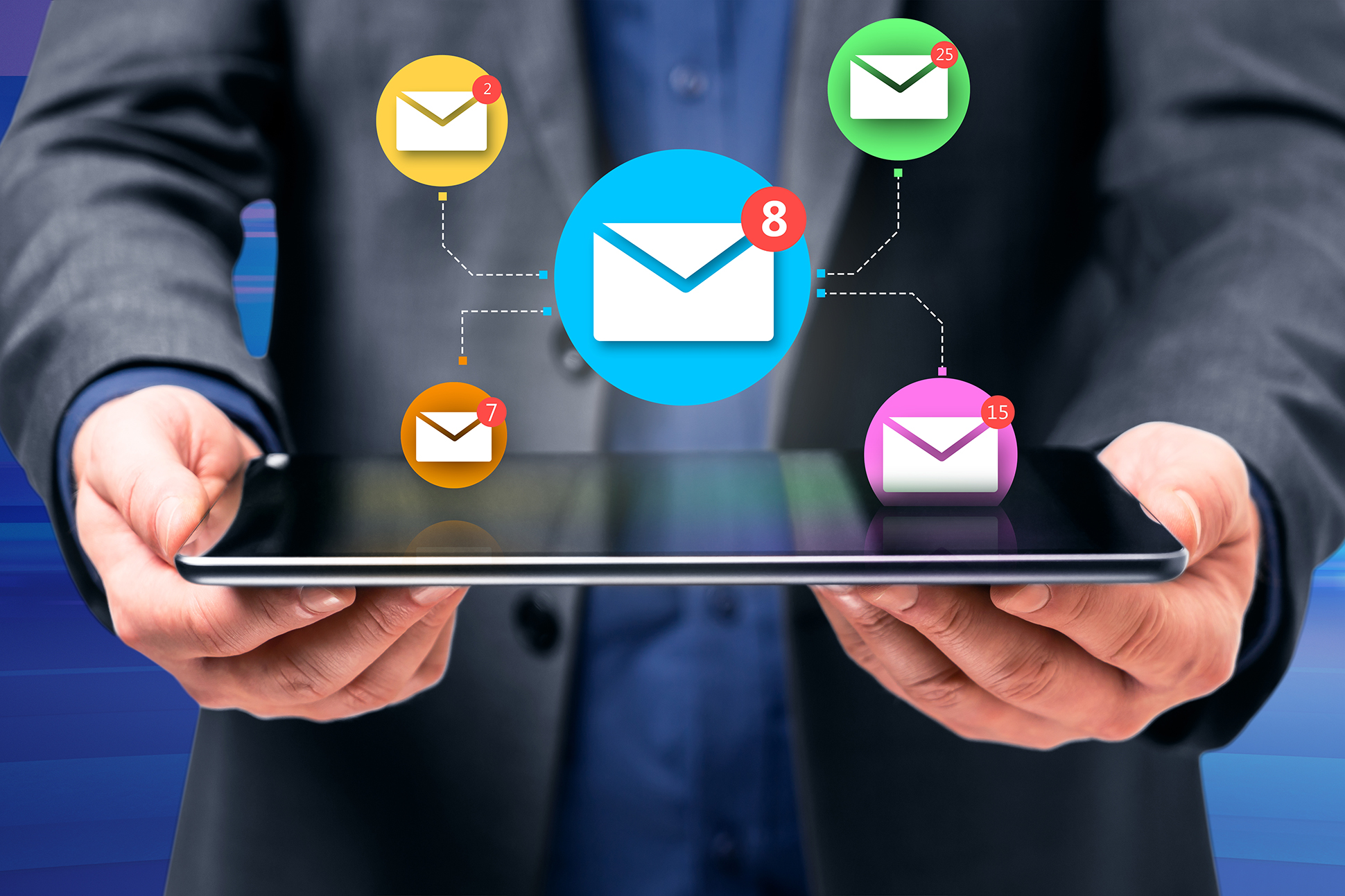
Email marketing isn’t just about blasting people with messages anymore. It’s about sending the right emails to the right people at the right time so that they actually open, read, and act on them. With so many emails flooding inboxes everyday, good strategy matters more than ever.
If you want your emails to work — whether you’re a small business owner, a freelancer, or someone trying to keep customers engaged — these simple tips will help you get better results without confusion.
1. Know Who You’re Talking To
Before you write a single email, ask yourself:
Who am I emailing, and why should they care?
People get uninterested when emails feel like they’re for “everyone.” But when it feels like it’s written just for them, open rates improve.
A good first step is to split your audience into groups. For example:
- New subscribers who just joined
- Customers who haven’t bought anything recently
- Loyal repeat customers
- People who clicked links before but never bought
Once you know who you’re emailing, your message can feel more personal and relevant.
2. Get Your Subject Lines Right
Your subject line is the first thing people see. If it’s boring or confusing, your email may be ignored — even if the content inside is great.
A good subject line:
- Is short and to the point
- Tells the reader what they’ll get
- Sparks curiosity without sounding spammy
Examples that work:
- “Here’s your free guide”
- “You’re invited: VIP offer inside”
- “Last chance to save 20%”
Play around with wording, but always keep it clear. If someone can’t tell what the email is about in two seconds, they probably won’t open it.
3. Make the First Line Count
After your subject line gets someone to open the email, the first line inside must keep them reading.
Avoid:
- “Hello Subscriber”
- “We hope you’re well,”
- Generic greetings that don’t add value
Instead, start with something relevant, like:
- “You signed up for this…”
- “Here’s what you asked for.”
- “Here’s something you’ll love.”
A strong first line keeps interest up and lowers the chance that someone scrolls past your message.]
4. Keep Emails Simple and Useful
People don’t read long paragraphs in emails. They skim. So make your email:
- Short
- Clear
- Easy to scan
Use:
- Short sentences
- Bullet points
- Bold text for key ideas
Your goal is not to impress them with writing skills. Your goal is to make your point instantly understandable.
Before you hit send, read your email aloud. If it drags or feels unclear, edit it down.
5. One Message, One Goal
Every email should have one clear purpose:
- Announce a sale
- Share a new article
- Deliver a download
- Invite people to an event
If you pack too many messages into one email, people get confused or overwhelmed. Pick one clear focus, and make it obvious what you want readers to do.
6. Always Include a Clear Call to Action (CTA)
Your CTA is the part that tells readers what you want them to do next. It’s usually a button or link that says things like:
- “Shop now”
- “Read the guide”
- “Book your spot”
- “Download here”
Make your CTA:
- Easy to see
- Easy to understand
- Close to the top and end of your message
People shouldn’t have to hunt for it.
7. Test, Learn, and Improve
You won’t get perfect results right away — that’s okay. The secret is to test different versions of your emails.
Try:
- Two different subject lines
- Different button text
- Slightly different email layouts
- Different email send times
See what gets higher open rates and click-through rates. Then copy what works more often.
This simple process — called A/B testing — helps you learn what YOUR audience prefers.
8. Don’t Be Annoying
Too many emails can annoy people. If your message feels repetitive, sales-only, or irrelevant, people may unsubscribe.
Rules of thumb:
- Don’t email more than once or twice a week unless it’s genuinely useful.
- If someone hasn’t opened emails in months, remove them from your list.
- Respect your subscribers — their inbox is personal.
People appreciate emails that feel helpful, not pushy.
9. Use Automation When It Helps
Automation means sending emails automatically when something happens — like a welcome email when someone signs up, or a reminder if they abandon their cart.
This helps you:
- Stay consistent
- Save time
- Send emails that feel timely and relevant
Set up just a few automated messages and you’ll see engagement improve without extra effort.
10. Look at the Numbers (But Keep It Simple)
If the thought of analytics makes your head spin, forget complicated dashboards. Focus on three key numbers:
- Open Rate: Are people reading your emails?
- Click-Through Rate: Are they clicking what you want them to click?
- Unsubscribe Rate: Is your list shrinking?
If your open rate is low, fix subject lines.
If your click rate is low, improve your message or CTA.
If people are leaving your list, check frequency and relevance.
These three numbers tell you where to improve next.
In Short
Good email marketing isn’t about fancy tricks. It’s about being:
- Clear
- Relevant
- Respectful
- Helpful
If you can send emails that people actually want to read and act on, you’ll see better engagement, fewer unsubscribes, and better results from your campaigns.
Want this turned into a checklist, a template, or version tailored to your business? Just ask!